
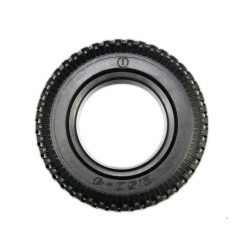
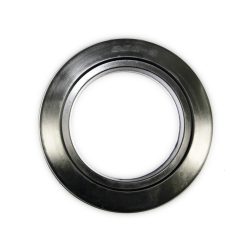
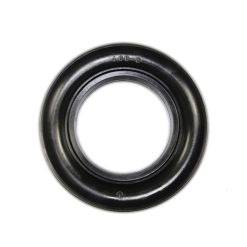
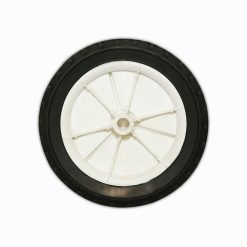
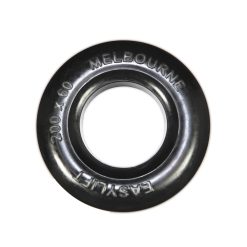
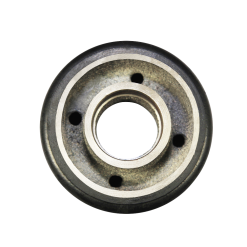
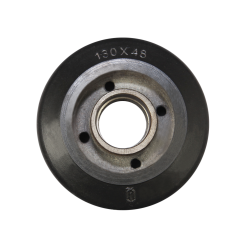
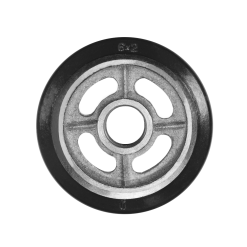
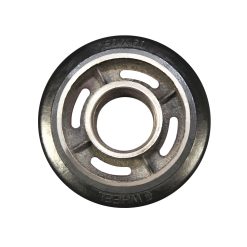
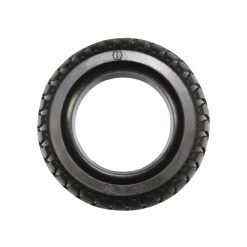
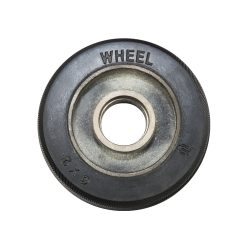
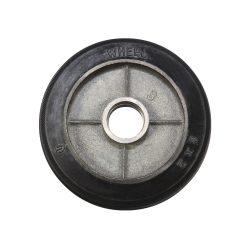
Rubber products are a group of rubber products widely used in most industries today thanks to their high elasticity, good bearing capacity and ability to operate durably in many different environmental conditions. From technical parts such as gaskets, o-rings, bushings, gaskets to industrial products such as pipes, rubber sheets, anti-vibration feet, rubber products always play an important role in ensuring equipment operates stably, safely and effectively.
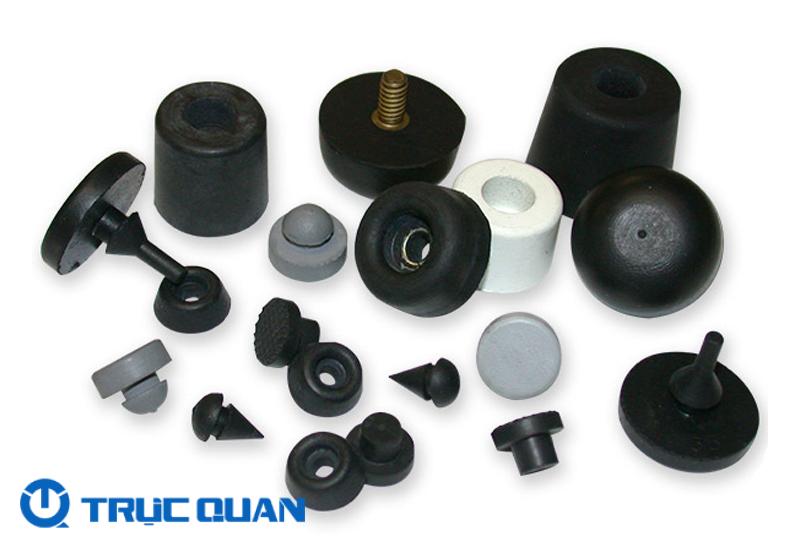
Overview of Rubber Products
Rubber products are a group of items manufactured from natural rubber or synthetic rubber. This material is widely used in industry thanks to its high elasticity, excellent load-bearing capacity, and extensive applications. Rubber products play a crucial role because they:
- Are flexible – adaptable – resistant to deformation.
- Effectively reduce vibration and noise.
- Provide high sealing performance (gaskets, o-rings).
- Can be used in oil, heat, and pressure environments (depending on the material).
- Can be customized according to requirements: hardness, size, shape.
Rubber products are commonly found in:
- Automotive, mechanical, and industrial machinery sectors.
- Electrical and electronic equipment.
- Medical and food industries (using silicone, EPDM).
- Construction, civil applications, and consumer goods.
The diversity and high specialization of rubber products make them a strategic material in many manufacturing industries today.
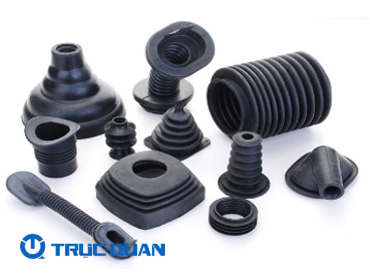
Common Types of Rubber Products
Rubber Products Made from Natural Rubber
Rubber products made from natural rubber are renowned for their excellent elasticity and tensile strength. This product group is suitable for applications requiring high softness, grip, and flexibility.
Key characteristics of natural rubber products:
- Outstanding elasticity.
- Excellent force absorption and shock absorption.
- Anti-slip properties with good surface grip.
- Environmentally friendly and easily recyclable.
Typical applications:
- Bushings, machine mounts, vibration damping components.
- O-rings, soft gaskets.
- Rubber pads, rubber mats.
- Conveyor belts or rubber rollers.
Limitations to note:
- Poor resistance to oil and strong chemicals.
- Subject to aging under sunlight (UV/Ozone).
- Not suitable for extremely high-temperature environments.
Nevertheless, natural rubber products remain highly popular due to their reasonable cost and superior elasticity, making them ideal for applications requiring high softness and mechanical durability.
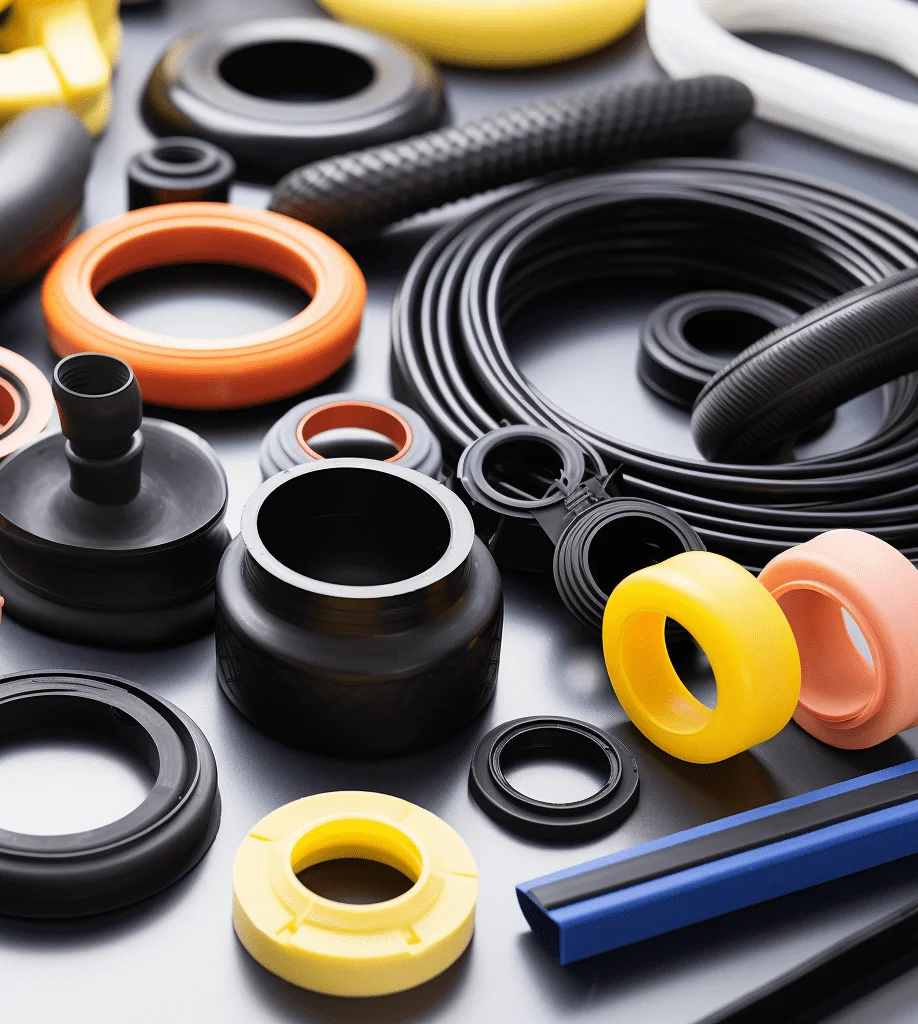
Rubber Products from Synthetic Rubber
Rubber products made from synthetic rubber were developed to overcome the limitations of natural rubber. This product group accounts for a large proportion in modern industry.
Common material types:
- EPDM: heat resistant – ozone resistant – suitable for outdoor use.
- NBR: oil resistant – used in fuel systems.
- Neoprene: fire resistant, weather resistant.
- Silicone: food-safe – high heat resistant.
- Viton: resistant to strong chemicals – harsh environments.
Advantages of synthetic rubber products:
- Diverse properties according to each material.
- Good resistance to oil, chemicals, and heat.
- High durability during continuous operation.
- Easy to mold – stable under various conditions.
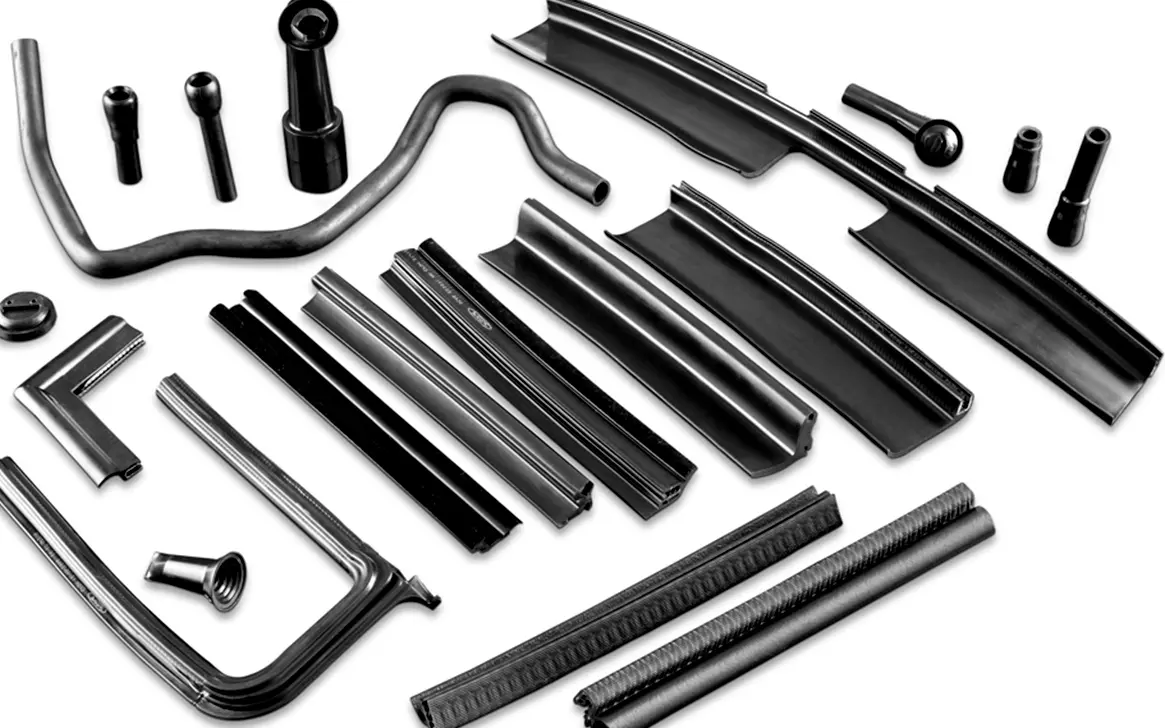
Industrial applications:
- Gaskets, seals, o-rings resistant to oil and heat.
- Fuel hoses, high-pressure hoses.
- Vibration damping components for industrial machinery.
- Cleanroom supplies, medical equipment (silicone).
- Aerospace and military components.
Thanks to their flexibility in properties and customization capabilities, rubber products made from synthetic rubber play a leading role in many modern manufacturing industries.
Material Properties of Rubber Products
Mechanical Properties
Rubber products stand out due to their superior mechanical properties, allowing them to operate stably in environments with strong vibrations, continuous loading, or frequent deformation.
Important mechanical characteristics of rubber products include:
- High elasticity: flexible deformation with quick recovery.
- Good tensile strength: resistant to tearing when stretched within design limits.
- Good compression-rebound properties: suitable for gaskets, seals, and bushings.
- Wear resistance: withstands continuous friction and impact.
- Force absorption: effectively reduces vibration and noise in machinery.
Significance for industrial applications:
- Rubber products used in machine mounts help stabilize equipment.
- In automobiles, rubber products reduce cabin vibration and extend the lifespan of suspension systems.
- For industrial machinery, rubber products ensure smooth movement and limit mechanical damage.
Thanks to their superior mechanical performance, rubber products have become irreplaceable materials in many systems subject to strong forces, high vibration, or requiring high sealing performance.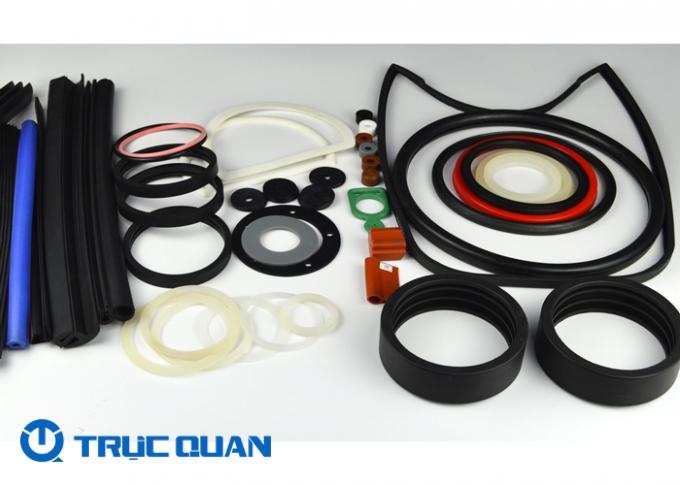
Physical and Chemical Properties
Beyond load-bearing capacity, rubber products possess many important physical and chemical properties that determine the durability and application capability of products in each environment.
Notable physical properties:
- Good electrical insulation: used in electrical and electronic equipment.
- Relatively heat insulating: limits heat transfer (depending on material).
- Water-resistant: suitable for waterproofing and equipment encapsulation.
- High grip: reduces slipping when in contact with surfaces.
Important chemical properties:
- Ozone & UV resistance (EPDM, silicone): suitable for outdoor use.
- Oil and fuel resistance (NBR, Viton): used for engine systems.
- Strong chemical resistance: especially in Viton and some fluorocarbon rubber types.
- Thermal stability: silicone withstands 200–250°C.
Significance for applications:
- Oil-resistant rubber products protect engine systems from leaks.
- Ozone-resistant rubber products maintain durability when used outdoors.
- Chemical-resistant rubber products are suitable for laboratory production and industrial processing.
Thanks to the diversity in chemical properties, rubber products can be customized to operate durably in harsh environments that many other materials cannot withstand.
Advantages and Disadvantages of Rubber Products
Rubber products are not only versatile and flexible but also cost-effective, durable, and easy to process. However, each material type has its own limitations.
Advantages of rubber products:
- Extremely high elasticity and flexibility.
- Good vibration resistance, shock absorption, and sound insulation.
- Safe, electrically insulating (most materials).
- Superior adhesion and sealing capabilities.
- Diverse materials suitable for all environments.
- Easy to customize according to design requirements.
Disadvantages to consider:
- Some rubber products have poor high-temperature resistance.
- Natural rubber easily ages when exposed to UV/ozone.
- Rubber typically swells when in contact with oil (except NBR, Viton).
- Some premium types (Viton) have high costs.
Suitable applications:
- Machine mounts, shock absorbers, grommets.
- Gaskets, o-rings, seals resistant to oil and heat.
- Rubber sheets for vibration damping and waterproofing.
Thanks to their outstanding advantages, rubber products remain the top choice in industry, though selecting the right material is essential to achieve maximum effectiveness.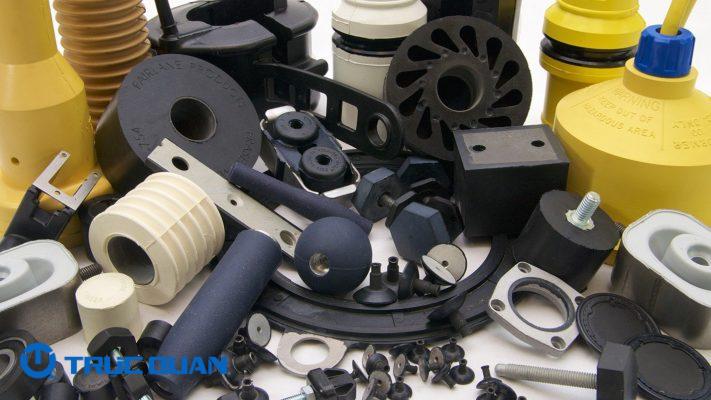 Manufacturing Process of Rubber Products
Material Mixing Process – Compounding
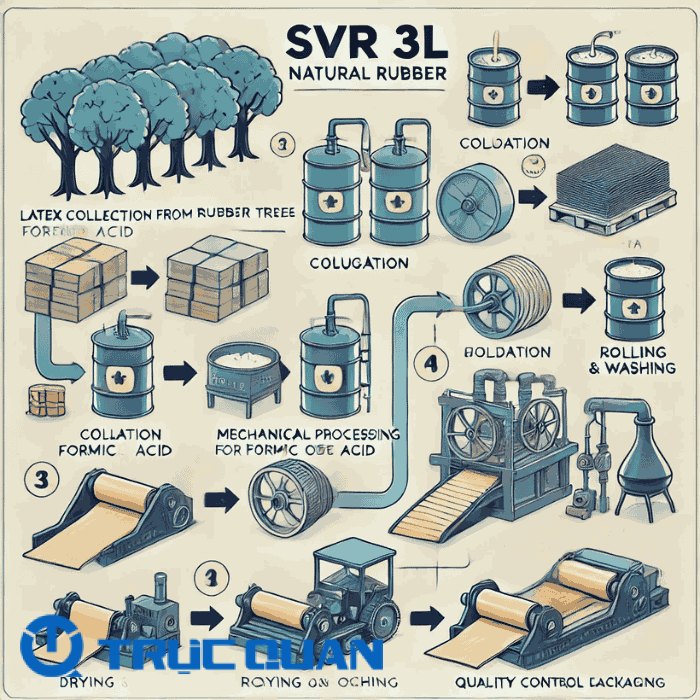
Compounding is the first and most important step in creating high-quality rubber products. This is the stage where rubber (natural or synthetic) is mixed with additives, vulcanizing agents, and reinforcing components to optimize material properties.
Main components in compounding:
- Base rubber: natural rubber, EPDM, NBR, Neoprene, Silicone, Viton, etc.
- Vulcanizing agents: sulfur or peroxide.
- Reinforcing agents: carbon black, silica.
- Plasticizers: increase softness and flexibility.
- Antioxidants and anti-aging agents.
Why is compounding important?
- Determines hardness (Shore A), tensile strength, and compression resistance.
- Creates oil, chemical, and ozone resistance capabilities.
- Stabilizes the quality of rubber products over long periods.
Benefits for businesses:
- Rubber products meet technical durability standards.
- Reduce product defects and increase component lifespan.
- Optimize production costs through quality control from the start.
The compounding stage is essentially the “soul” that creates durable, stable rubber products suitable for each industrial requirement.
Rubber Product Forming Process
Molding – Compression Molding
Molding is the most important method for creating rubber products with complex shapes and high precision. In industry, most products such as o-rings, gaskets, bushings, machine mounts, seals, and grommets are created through molding.
Common molding types:
- Compression molding: used for thick products with few details.
- Transfer molding: suitable for products requiring high precision.
- Injection molding: fast production – precise – large quantities.
Advantages of producing rubber products through molding:
- Stable forming with low error rates.
- Beautiful and uniform surface.
- Suitable for products with complex structures.
- Reduces material waste, optimizes costs.
Molding applications in rubber product manufacturing:
- Vibration damping components and machine mounts.
- Oil-resistant and chemical-resistant rubber gaskets.
- Technical rubber components in automotive and mechanical industries.
Thanks to its precise forming capabilities, molding is considered the core solution for producing high-quality rubber products across many industries.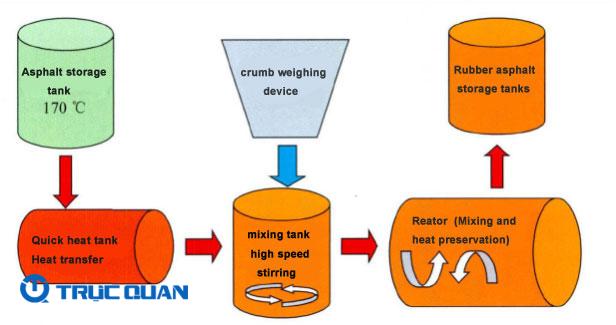
Extrusion – Rubber Extrusion
Extrusion is suitable for producing long, continuous rubber products with uniform cross-sections. This is a commonly used process for door gaskets, refrigerator gaskets, rubber hoses, U/V/H-shaped seals, and technical rubber profiles.
Main extrusion process steps:
- Extrude rubber through a forming die.
- Cool the product.
- Continuous vulcanization using steam/hot air.
- Cut to required dimensions.
Advantages of rubber products manufactured by extrusion:
- Continuous forming with high productivity.
- Lower cost than molding.
- Easy to customize cross-sections as needed.
Notable applications:
- Automotive door gaskets – aluminum and glass door gaskets.
- Air hoses – water hoses.
- Rubber cushions for impact protection.
Extrusion helps rubber products achieve dimensional accuracy and provides high efficiency for applications requiring long lengths and stable shapes.
Vulcanization
Vulcanization is the step that determines the durability, elasticity, and lifespan of rubber products. Without vulcanization, rubber will be soft, easily torn, and unable to bear loads.
Common vulcanization technologies:
- Sulfur vulcanization: used for natural rubber – EPDM – NBR.
- Peroxide vulcanization: increases heat resistance.
- Vulcanization by steam – hot air oven – microwave.
Important effects of vulcanization:
- Increases tensile strength and hardness.
- Enhances heat and environmental resistance.
- Stabilizes rubber product shape.
- Reduces flow and deformation phenomena.
Why is this a critical step?
- Rubber products only achieve standard quality when vulcanized with correct parameters.
- Small deviations in time or temperature can ruin an entire production batch.
Vulcanization ensures rubber products have long-term durability, meeting stringent requirements in heavy industry and environments with continuous load bearing.
Applications of Rubber Products by Industry
Automotive and Motorcycle Industry
Rubber products appear in almost every part of vehicles.
Main applications:
- Suspension system bushings.
- Seals, gaskets, o-rings for leak prevention.
- Fuel hoses, coolant hoses.
- Engine mounts – transmission mounts for vibration damping.
- Door gaskets, window seals for water and noise prevention.
Benefits provided:
- Reduce vibration – increase cabin comfort.
- Prevent oil, water, and air leaks.
- Extend engine and suspension system lifespan.
Rubber products play an indispensable role in the stable, safe operation and noise reduction of vehicles.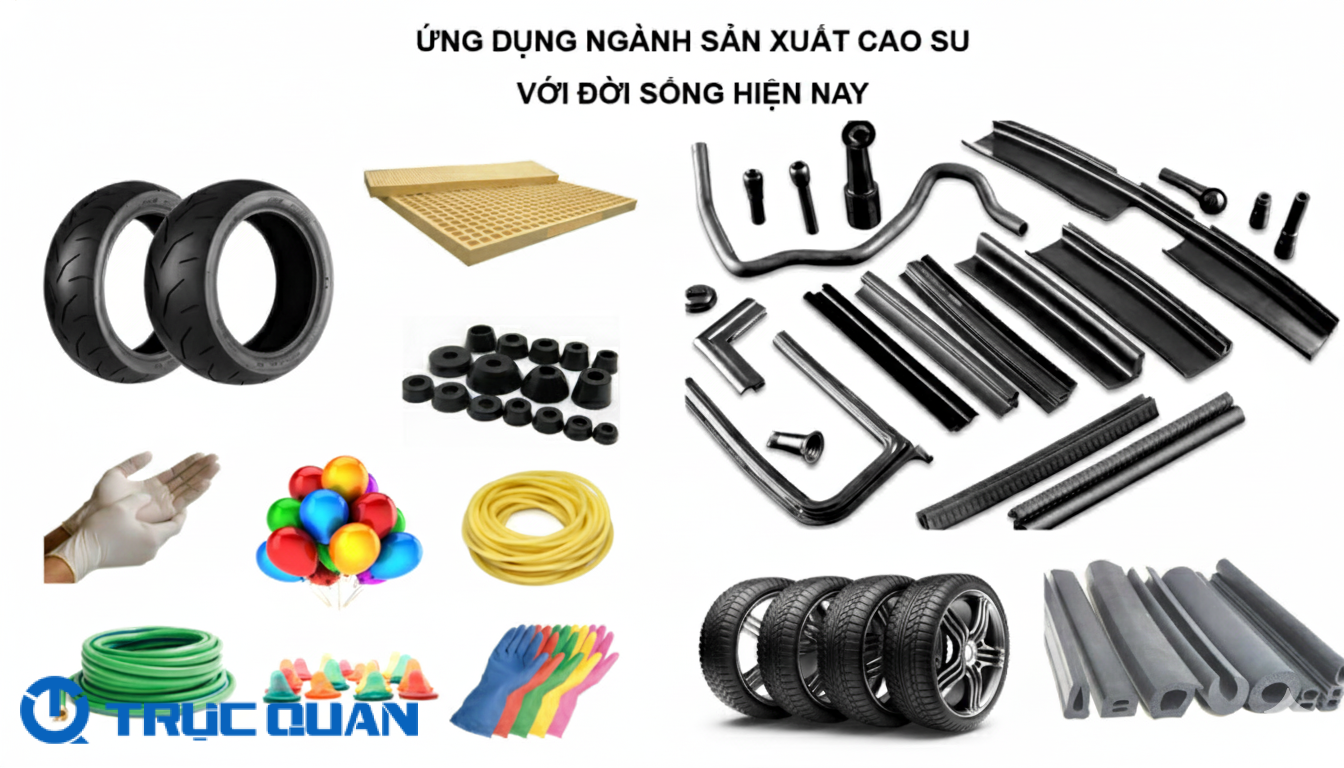
Industrial and Mechanical Industry
Rubber products are widely used to protect equipment and stabilize operations.
Typical applications:
- Shock absorbers – vibration dampers.
- Pressure-resistant and heat-resistant gaskets.
- Pads, rubber floor mats.
- Industrial rubber rollers.
Why rubber products are prioritized:
- Good load-bearing capacity, reduces mechanical damage.
- Durable operation in environments with strong machinery vibration.
- Optimizes maintenance costs.
Rubber products are an important solution helping mechanical systems operate stably and safely.
Construction and Civil Applications
Rubber products help reduce vibration, prevent water leakage, and extend the lifespan of structures.
Common applications:
- Door gaskets – waterproof seals.
- Rubber foundation pads – vibration prevention.
- Rubber pads for railings and metal roofing.
- Acoustic foam rubber for soundproofing.
Rubber products make structures more sustainable, limit cracking, and reduce noise in urban environments.
Medical and Food Industry
Only certain special rubber products (silicone, EPDM) meet biological safety standards.
Applications:
- Medical tubing.
- Cleanroom equipment gaskets.
- Heat-resistant gaskets in autoclaves.
Silicone rubber products have high heat resistance and are safe, suitable for stringent environments.
Benefits of Rubber Products for Businesses
Rubber products bring many competitive advantages:
- Extend equipment lifespan through vibration reduction and wear resistance.
- Save maintenance and replacement costs.
- Stabilize operations, reduce technical errors.
- Prevent leaks, protect oil, gas, and water systems.
- Diverse options suitable for all industries.
Rubber products are not just auxiliary components but are decisive factors in the durability and long-term efficiency of machinery.